Why is an SMTP server essential?
An SMTP server does much more than simply facilitate the transfer of emails—it plays a crucial role in successful email deliverability, especially in the context of mass email sales or marketing campaigns.
Without a properly configured SMTP server, your sales or marketing emails may simply fail to reach your customers resulting in lost opportunities and increased spam rates.
Here’s a quick overview of why an SMTP server is essential for all businesses:
- Reliable email deliverability → ensures your emails reach recipients’ inboxes instead of getting blocked by spam filters set in place to protect users, which also builds and maintains a strong IP sender reputation, creating a snowball effect;
- Bulk email sending → whether it’s a marketing newsletter or a sales outreach campaign, SMTP servers are the only way to handle mass email volumes, unlike standard email clients that have sending limits;
- Faster and more efficient → ensures emails are processed and delivered without delays, making it ideal for businesses that rely on time-sensitive email communications such as transactional notifications, appointment reminders, etc.;
- Security & authentication → SMTP servers use encryption protocols to protect email content, as well as authentication methods like SPF, DKIM, and DMARC to protect your email from any cyber threats;
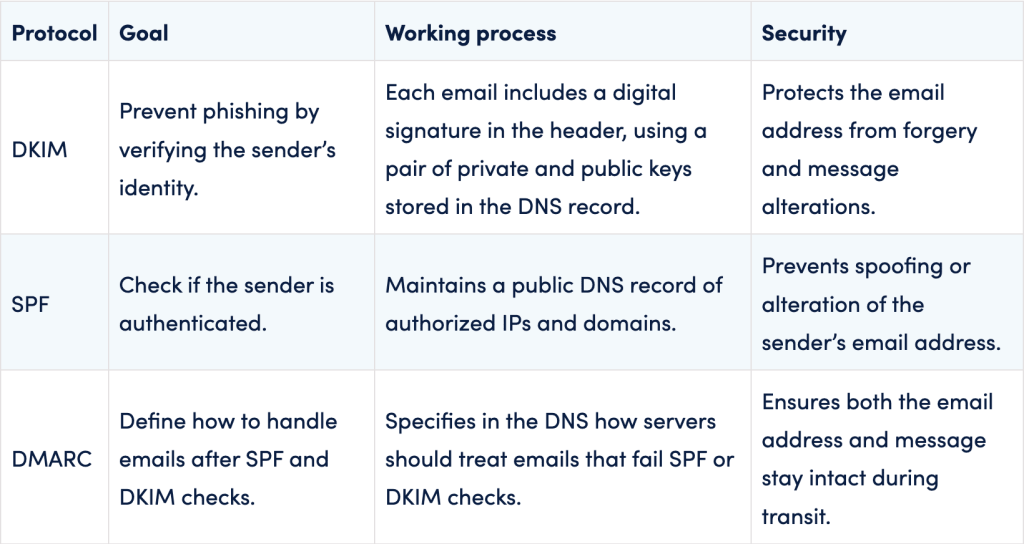
In summary, whether you’re running email marketing campaigns, sending automated transactional emails, or ensuring smooth internal communication, a properly configured SMTP server is vital. Investing in a high-quality SMTP solution helps safeguard email security, enhances deliverability, and supports business scalability.
Free SMTP vs paid SMTP services
Chances are, you’re looking to set up a free SMTP server, and just to be clear—there are many free options out there.
Now, whether a free SMTP server has everything you need to meet your business needs is another question, because there are also the more premium paid services. Let’s break it down:
Before setting up an SMTP server, it’s crucial to determine whether a free SMTP service will meet your business needs or if investing in a paid option is the better choice. The right decision depends on your email volume, security requirements, and the level of reliability you expect.
Free SMTP servers:
Free SMTP services are a great starting point for individual professionals and small businesses that only need basic email-sending features to satisfy their low-volume outreach needs.
- Besides being free and more than sufficient for low-volume senders, free SMTP servers are also quicker and easier to set up and operate, even in the context of business email correspondence.
- However, bear in mind that the vast majority have sending limits (daily or monthly) which can definitely hinder scalability. For instance, Gmail’s free SMTP service allows only 500 emails per day, so if your marketing newsletter has more contacts—this already wouldn’t work.
- At the same time, free SMTP servers are shared among many users, who as a result may experience lower deliverability rates and less advanced security features.
Paid SMTP servers:
On the other hand, if your business is involved in mass email campaigns for its sales and marketing efforts, a paid SMTP service is probably the better option. Here’s why the upgrade makes more sense for growing businesses:
- Paid SMTP providers don’t cap email-sending volumes like free alternatives, accommodating growing businesses that send thousands or millions of emails monthly.
- Paid SMTP servers use dedicated IPs, top-notch authentication protocols (SPF, DKIM, DMARC), and premium email deliverability tools to ensure your emails land in inboxes rather than spam folders.
- Premium SMTP services offer real-time insights into users’ open rates, bounce rates, and click-through rates, allowing businesses to optimize email campaigns and troubleshoot any delivery issues.
- Paid providers provide enhanced security features (encryption, two-factor authentication, and legal compliance), ensuring that all sensitive business data remains protected at all times.
The better SMTP server alternative—API
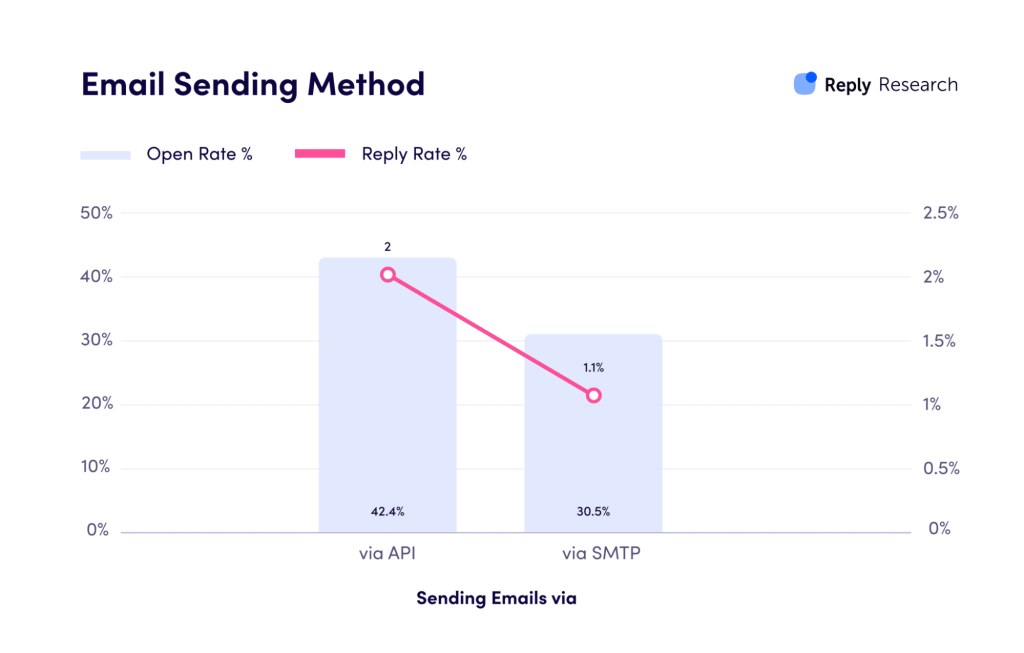
Setting up an SMTP server will take some effort—we’ll cover the steps shortly, but before we do, it’s worth mentioning that there is a more advanced piece of tech out there for sending mass emails, and that is API.
APIs (application programmable interface) are a more modern and versatile email transmission method that operates directly through an email service provider while allowing multiple software to communicate with each other.
To better understand this tech, let’s explore the example with Reply’s email API.
With just a few lines of code (and some minor IT support), businesses can integrate Reply’s powerful email outreach capabilities into their existing tools, allowing them to send bulk emails via HTTP requests rather than SMTP, offering more flexibility, speed, and additional features.
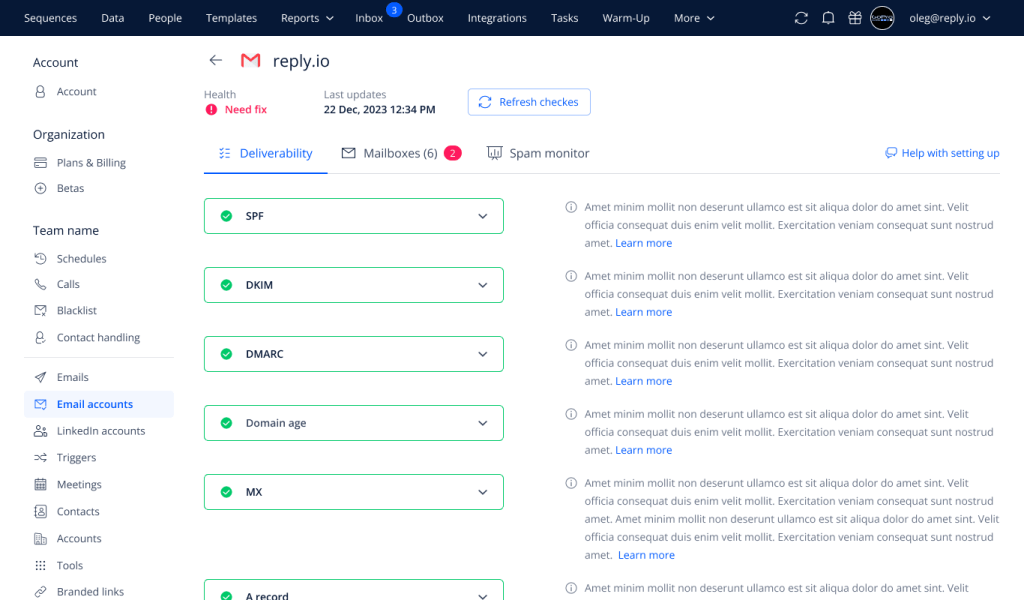
For starters, once the API is set up—Reply.io automatically handles all email authentication and deliverability optimization, empowering businesses to simply focus on their email campaigns rather than the technical elements of outreach.





![The Ultimate Email Deliverability Toolset for 2026 [15+ Tools]](https://test.reply.io/wp-content/uploads/deliverability-300x158.jpg "The Ultimate Email Deliverability Toolset for 2026 [15+ Tools]")