Automated meeting booking
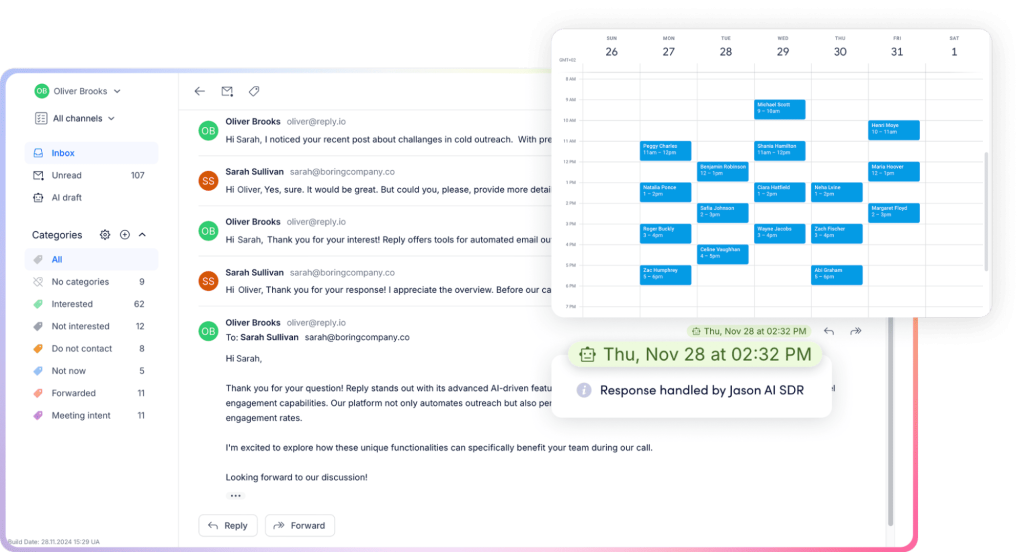
With Jason AI SDR managing your calendar, tedious back-and-forth emails become a thing of the past.
It seamlessly checks your real-time availability against a prospect’s preferred times and instantly books meetings—no manual intervention required.
When someone replies, Jason intelligently determines if it’s a new request, a follow-up, or a reschedule and handles the response accordingly.
Because it syncs deeply with Google Calendar, every slot it books is conflict-free, eliminating any risk of double-booking.
And here’s why you should (or shouldn’t) consider it—Jason AI SDR pros:
✅ Supports multilingual outreach across 150+ countries, letting you engage prospects in their native language
✅ Evergreen sequences automatically inject fresh, ICP-matched leads into active campaigns and keep your pipeline topped up
✅ Enterprise-grade email deliverability tools (inbox warm-up, DNS health checks, Google Postmaster integration) ensure your emails land in primary inboxes instead of the spam folder
✅ Custom AI SDR playbooks allow you to upload case studies, scripts, and other materials so every message aligns with your brand voice
✅ Once ICP, playbooks, and calendar sync are configured, Jason runs 24/7 with minimal oversight
And Jason AI SDR cons:
❌ Requires some time for initial setup
If you feel you need to explore a few more contestants (though we still believe Jason, our AI SDR, is the best), here are a few others to take a look at:
SalesIntel
SalesIntel is a Signal-First Agentic Pipeline Generation Platform that allows GTM teams to capture the early-mover advantage. Unlike traditional tools that rely on static data or late-stage intent, SalesIntel’s Signal360 monitors thousands of Prime Signals across 30+ categories – spanning both predictive (early) and demand-capture (active) timelines. It unifies Marketing, Sales, and RevOps by consolidating intent, firmographics, contact data, and workflow automation into a single solution for autonomous pipeline building.
SalesIntel’s best features:
- Signal360 & Prime Signals: Tracks the complete buying journey to identify opportunities before evaluation begins, giving you lead time to build relationships before competitors appear.
- GTMCanvas Activation: Replaces fragmented tech stacks by unifying signal capture, ICP qualification, and engagement into one fluid workflow.
- Research on Demand™: Complements agentic signals with 95% accurate human-verified contact data, ensuring automated outreach hits real decision-makers.
SalesIntel pros:
✅ Prime Signals allow for pre-emptive engagement, solving the “too late to shape the conversation” problem of traditional intent tools
✅ Consolidates 4–5 separate tools (intent, enrichment, contact data, and automation) into a single cost-effective platform
✅ Delivers a “complete picture” of account status by blending predictive data with immediate demand-capture signals
SalesIntel cons:
❌ Global database volume is growing, but is generally smaller than massive aggregators like ZoomInfo
❌ Shifting from static list buying to dynamic, signal-based workflows may require a strategic adjustment for traditional teams
Bombora
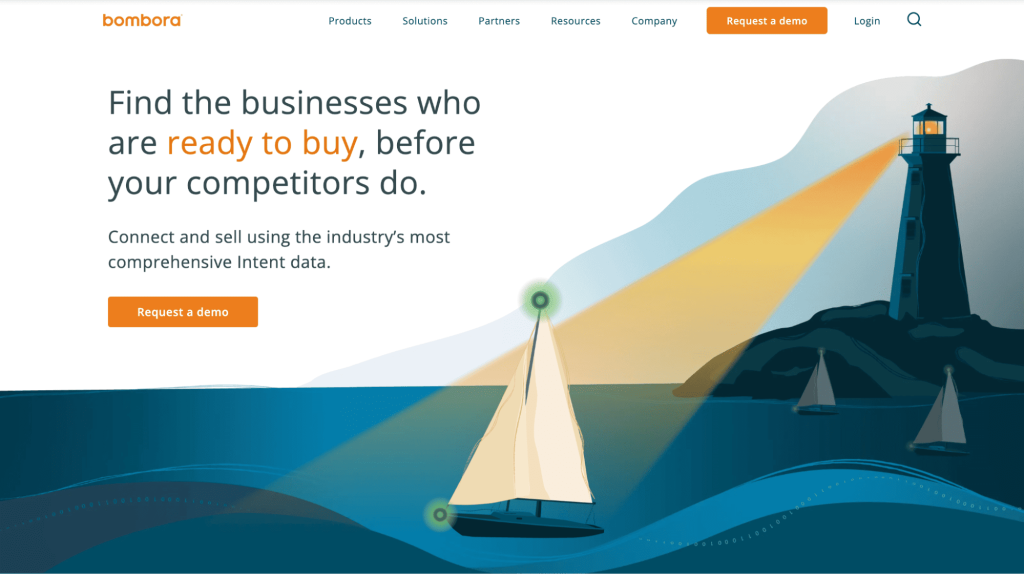
Bombora is a leading B2B intent data platform that helps sales and marketing teams identify which companies are actively researching topics relevant to their solutions.
Using proprietary data from a cooperative of 5,000+ B2B websites, Bombora tracks content consumption patterns to surface intent signals at the account level. It allows teams to prioritize in-market buyers, personalize outreach, and accelerate pipeline.
Bombora best features:
- Company Surge® feature detects spikes in research activity on specific topics, so you can focus on accounts showing high purchase intent
- Natively integrates with tools like Salesforce, HubSpot, Marketo, and Outreach
- Gathers ethically sourced data from a massive B2B content network, offering deep visibility into buyer behavior
Bombora pros:
✅ Accurate, account-level intent data tied to real content consumption
✅ Easy to activate within existing sales and marketing platforms
✅ Strong partner ecosystem for ads, ABM, and analytics
Bombora cons:
❌ No contact-level insights—requires pairing with other tools for persona targeting
❌ Pricing may be high for small teams or early-stage companies
6sense
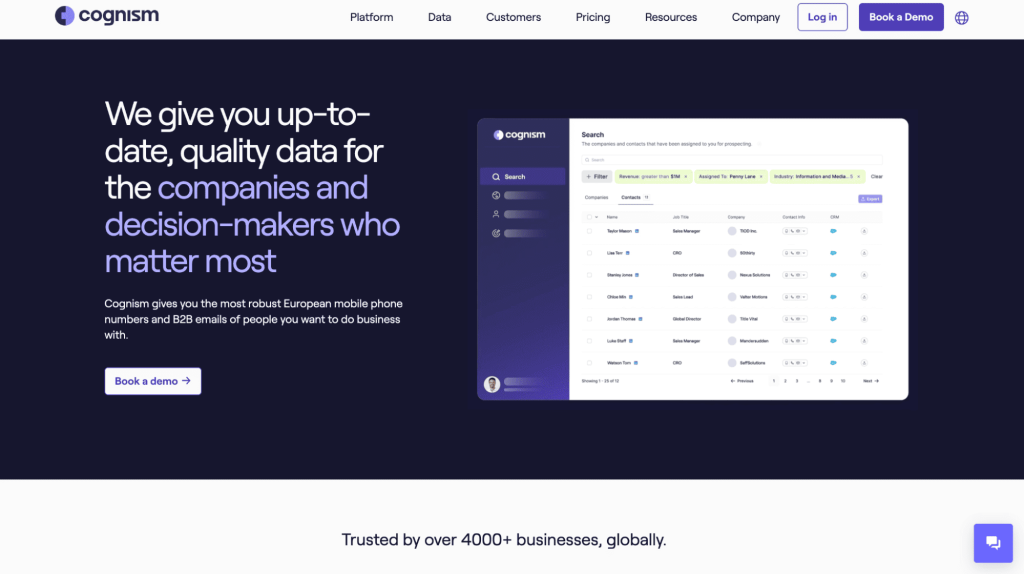
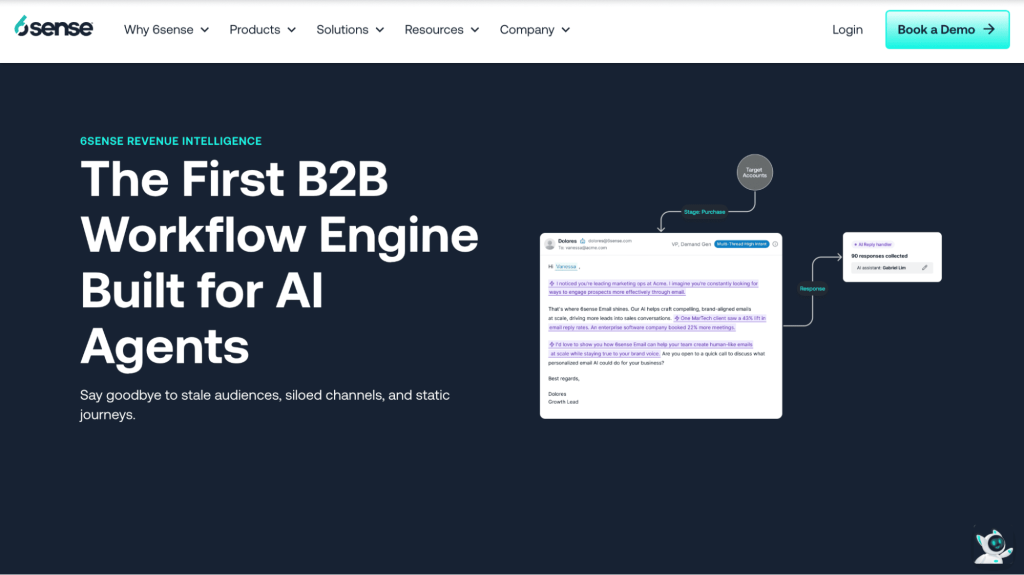
6sense is a revenue AI platform that goes beyond traditional intent data by predicting where accounts are in the buying journey—even before they’ve filled out a form.
Using behavioral signals, 6sense uncovers anonymous buyer activity across channels. It arms GTM teams with actionable insights to drive pipeline growth and close deals faster.
6sense best features:
- Uses AI to map anonymous activity to buying stages, so reps know exactly when to reach out
- Lets users build real-time, intent-based audiences using 80+ filters across firmographics, behavior, and engagement
- Surfaces timely insights like champion engagement, competitor interest, and recommended actions for each account
6sense pros:
✅ Identifies anonymous buying behavior early in the journey/
✅ Tight alignment across sales, marketing, and RevOps teams
✅ Robust personalization capabilities based on real-time data
6sense cons:
❌ Can be overwhelming for new users without prior ABM experience
❌ Premium pricing model may limit access for smaller teams
Also read: 6sense Pricing Explained: Is It Worth It in 2026?
Demandbase
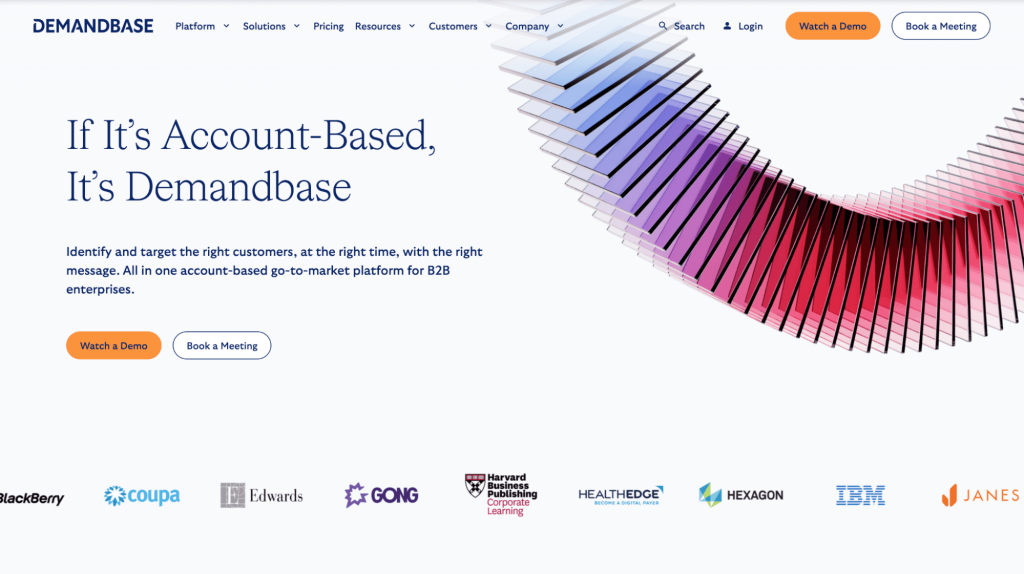
Demandbase is built for B2B companies that want precision in how they target and engage accounts at scale.
Rather than just showing you who’s interested, Demandbase turns intent data into coordinated action across advertising, sales, and marketing.
Its strength lies in orchestration—aligning multiple teams with one unified view of high-value accounts and automating the next-best step based on real-time behavior.
Demandbase best features:
- Run account-based advertising campaigns directly from Demandbase’s platform to reach buying committees across channels
- Gives reps a clear picture of account engagement, decision-maker activity, and purchase readiness
- Connects intent, engagement, and CRM data to trigger automated personalized actions across marketing and sales
Demandbase pros:
✅ Built for large-scale ABM and cross-team coordination
✅ Deep data enrichment to improve targeting and personalization
✅ Strong ad capabilities with native DSP and retargeting tools
Demandbase cons:
❌ Implementation can be resource-intensive for lean teams
❌ Higher price point compared to some intent-only tools
Also read: Demandbase Pricing Explained: Is It Worth It in 2026?
ZoomInfo Intent
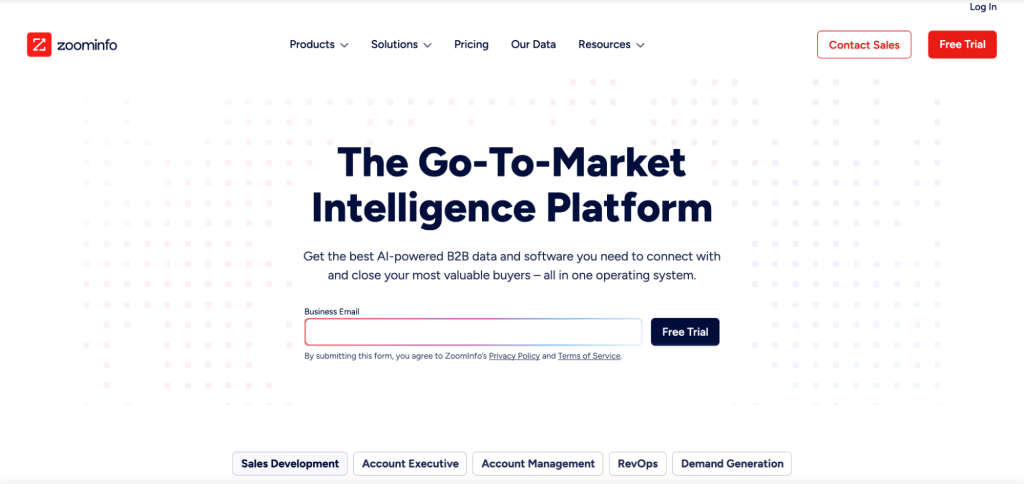
ZoomInfo Intent is a feature within ZoomInfo’s SalesOS platform that helps sales and marketing teams identify companies actively researching products or services related to their offerings.
It analyzes online behaviors, such as content consumption and website visits, to provide insights into which organizations are showing buying signals.
ZoomInfo Intent best features:
- ZoomInfo monitors an array of online activities to detect intent signals, so users can identify companies that are in the market for specific solutions
- Through its partnership with G2, ZoomInfo enhances its intent data by incorporating software review site behaviors
- The Streaming Intent feature provides real-time alerts on intent changes
ZoomInfo Intent pros:
✅ ZoomInfo’s extensive database offers a wide range of company and contact information
✅Integrates directly with SalesOS and MarketingOS, letting you trigger campaigns, route leads, and prioritize accounts in real time
✅ Direct access to verified contact data within the same platform
ZoomInfo Intent cons:
❌Some users have reported inconsistencies in the accuracy of intent signals
❌Integrating and effectively utilizing ZoomInfo Intent requires a significant investment in time and resources, particularly for teams new to intent data strategies




![The Ultimate Email Deliverability Toolset for 2026 [15+ Tools]](https://test.reply.io/wp-content/uploads/deliverability-300x158.jpg "The Ultimate Email Deliverability Toolset for 2026 [15+ Tools]")