If you want to explore all your options, let’s take a look at what else the market has to offer.
Generect
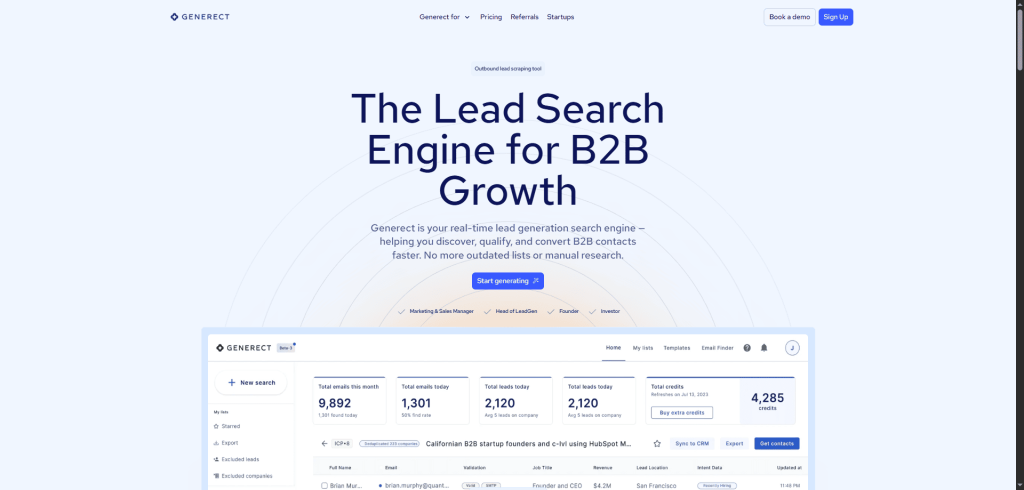
Imagine this: you’ve just got an email or a company domain. That’s it. With Generect, that’s all you need to uncover job titles, company size, industry, and more, instantly.
It’s fast, almost effortless, and works neatly with tools like HubSpot and Salesforce. So if your sales team already lives inside those platforms, Generect slides right in.
How to use it effectively:
- Drop in an email or domain.
- Let Generect pull the firmographics and role info for you.
- Sync it to your CRM in one click.
Just keep in mind: if you’re working with large volumes, costs can stack up quickly. Best suited for mid-sized teams who want fast enrichment without tinkering.
Apollo
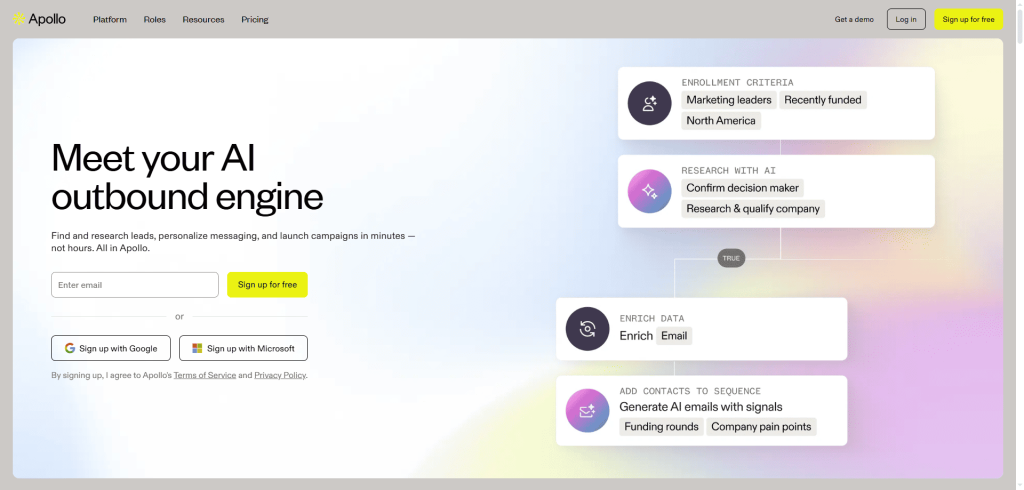
Apollo tries to be your all-in-one sales engine. It enriches leads, helps you send emails, run sequences, and even track replies, all under one roof.
That sounds great, right? Well, mostly. While Apollo brings decent contact data, it sometimes falls short on accuracy compared to more specialized tools like Reply.io. That means you might spend time cleaning up bad entries.
Here’s how teams use Apollo well:
- Upload a list of prospects for auto-enrichment.
- Build outreach sequences using the same interface.
- Track engagement without jumping between tools.
If you want a do-it-all platform and don’t mind a few bumps in data quality, Apollo can save time. But for precision outreach, especially at scale, you might find yourself needing a sharper tool.
ZoomInfo
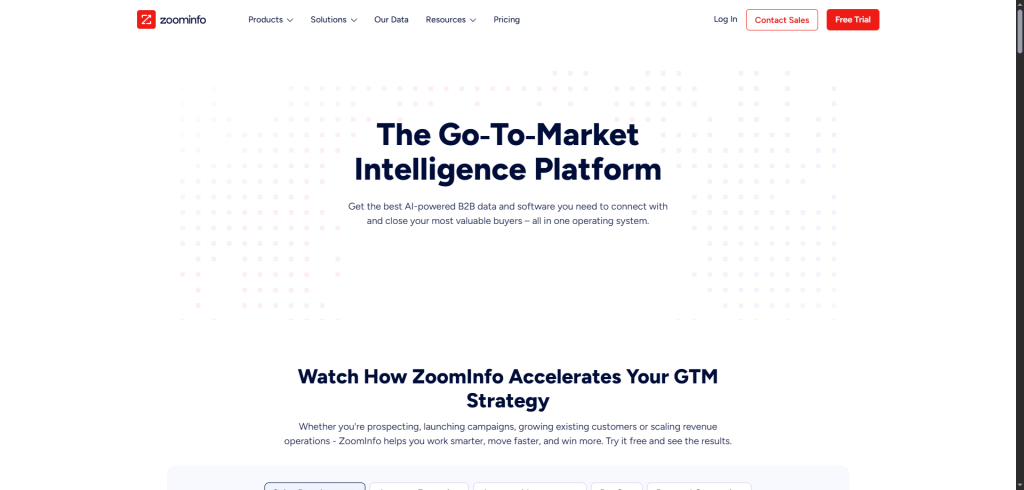
ZoomInfo is like the luxury SUV of lead enrichment. Big engine. Lots of features. And built to impress.
You get access to deep firmographics, verified contact data, and even intent signals, so you can spot who’s actually in-market and ready to buy. That’s gold for enterprise sales.
But here’s the thing: it’s pricey, and not super intuitive at first. Smaller teams might find the learning curve steep.
If you’re going with ZoomInfo:
- Assign a team member to master the platform, it’s worth it.
- Use filters to narrow in on your ideal customer profile.
- Tap into intent data for smarter targeting.
ZoomInfo works best when you’ve got budget, bandwidth, and a plan to go big.
Hunter
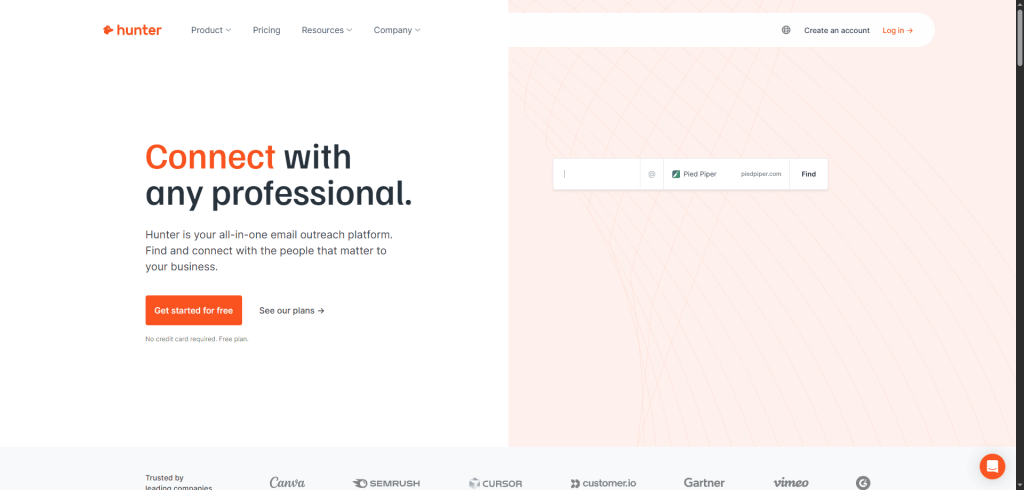
Need verified email addresses fast? Hunter is your tool.
It’s not trying to be everything. It’s trying to be one thing, great at email discovery and verification. You enter a company name or domain, and it pulls up valid emails tied to that org.
No bells and whistles. No CRM syncs. Just clean email data when you need it.
To make the most of Hunter:
- Use it for cold prospecting or verifying lead lists.
- Pair it with a more robust CRM or enrichment tool.
- Keep things lean and efficient.
Freelancers and small teams love it for good reason, it just works.
Leadfeeder (now Dealfront)
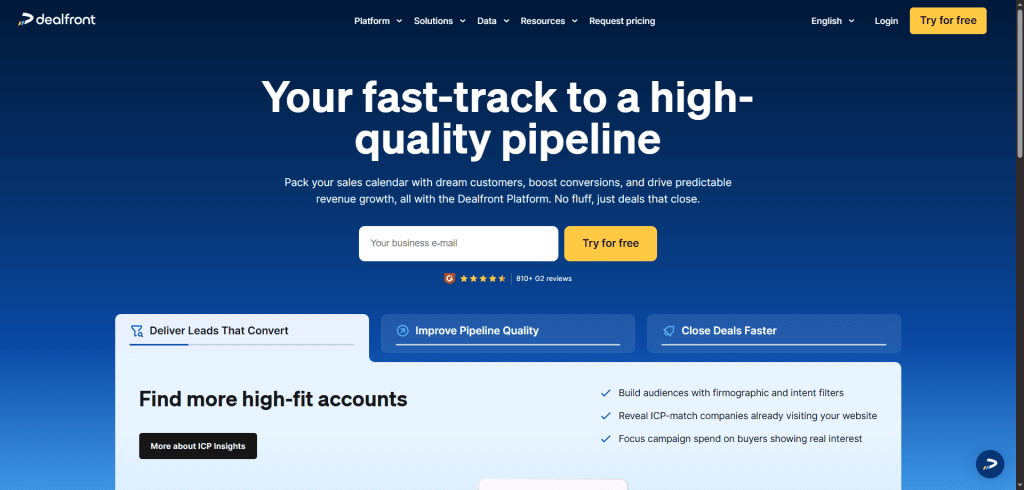
You know people are hitting your website. But who are they?
That’s where Dealfront comes in. It identifies anonymous visitors and links them to companies, so you can follow up with warm leads who already showed interest.
The catch? You need decent traffic for it to work. And you won’t get contact-level info, just the company and what pages they visited.
How to use Dealfront smartly:
- Connect it to Google Analytics.
- Watch for key accounts hitting product or pricing pages.
- Hand warm leads off to your sales team for follow-up.
Perfect if you’re running content, ads, or ABM campaigns and want to capitalize on site visits.
Datanyze
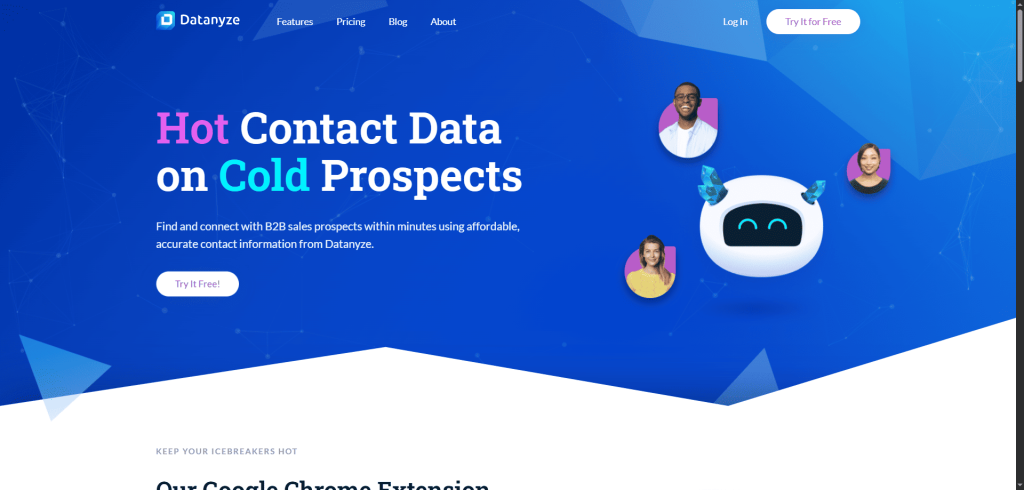
Selling to SaaS companies? Want to know what tools they’re using before you pitch?
Datanyze is your friend here. It’s a Chrome extension that shows you the technographic profile of any website, think CRMs, marketing tools, payment processors.
It’s more company-level than contact-level, so it’s not ideal if you need direct emails or phone numbers.
Use Datanyze like this:
- Research prospects before calls.
- Tailor your pitch to what tools they already use (and which ones they don’t).
- Build better segmentation for your outreach.
Great for tech sellers who need that extra context to personalize at scale.
Snov.io
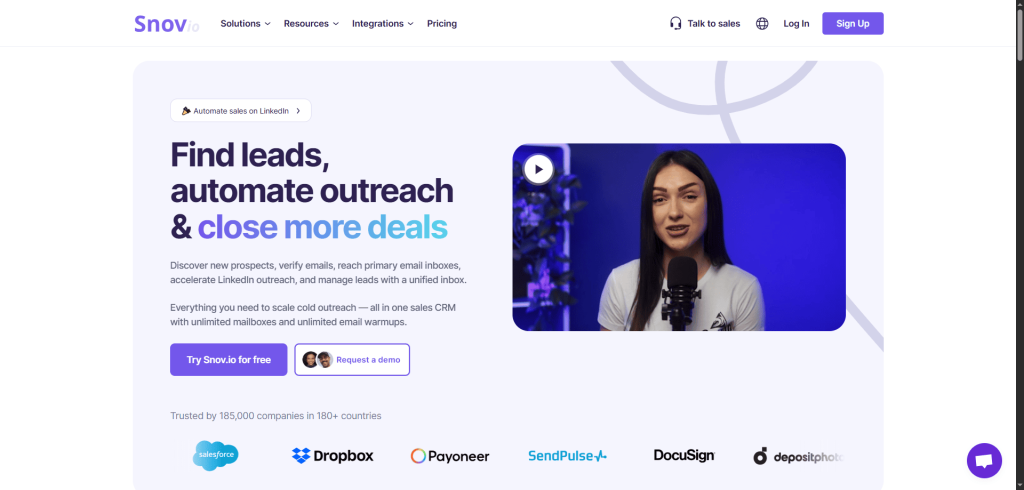
Snov.io is like a Swiss Army knife for scrappy teams. It bundles lead gen, email finding, outreach, and verification in one platform, and it won’t drain your budget.
The trade-off? You’re not getting the deepest or cleanest data. But if you’re a startup or solo founder trying to do it all, it checks a lot of boxes.
To get value from Snov.io:
- Build and verify email lists in one dashboard.
- Create small outreach campaigns with built-in tools.
- Use the browser extension to grab leads on the fly.
It’s not fancy, but it gets the job done without breaking the bank.
Cognism
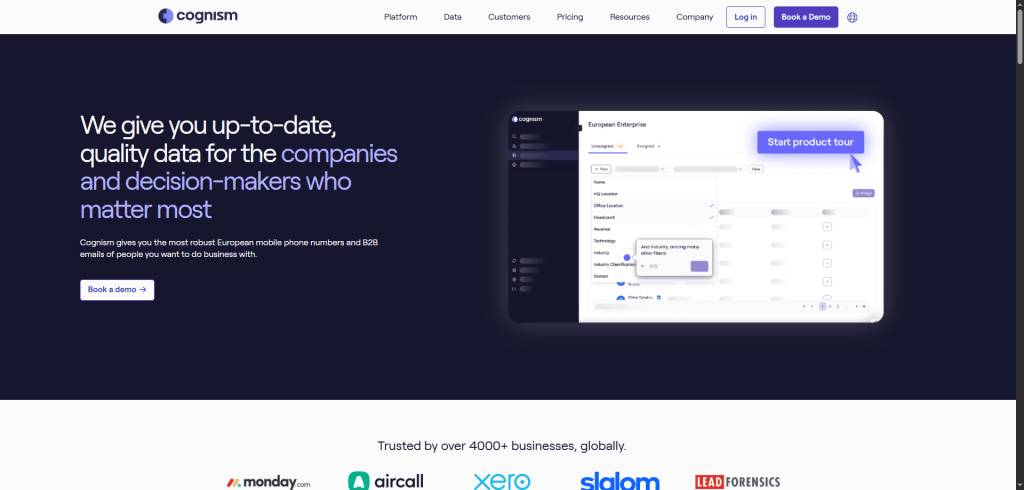
If you’re targeting Europe, you’ve got to think about GDPR. That’s where Cognism stands out.
They’ve built their platform around clean, compliant data, especially strong in the EMEA region. You also get integrated sales tools, though the contact coverage in North America isn’t as strong.
Smart ways to use Cognism:
- Prospect safely in regulated markets.
- Enrich contact info while staying compliant.
- Combine with localized outreach strategies.
Best for global companies that care about privacy and need accurate, legally-safe data.
Kaspr
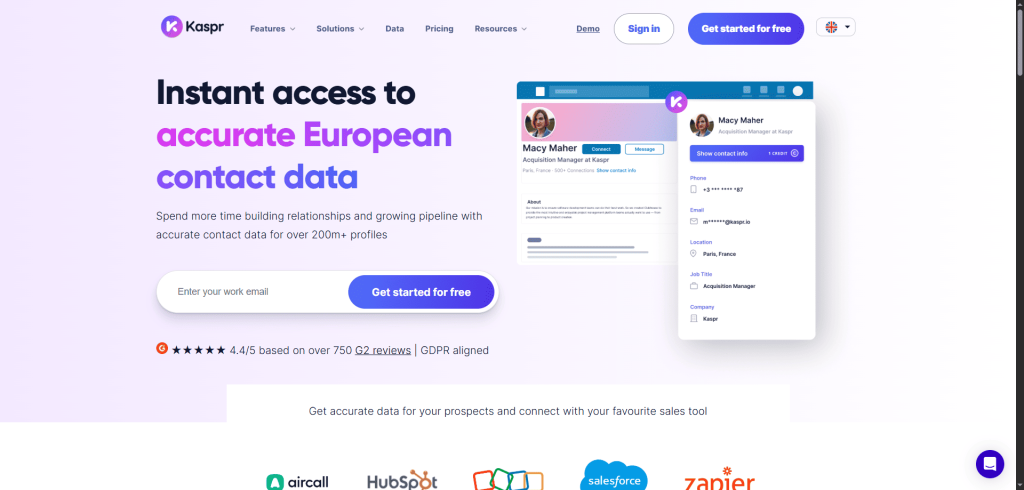
LinkedIn is a goldmine, but manual prospecting? That’s a slog.
Kaspr helps you speed that up by extracting direct contacts from LinkedIn profiles. It’s got automation features and an easy-to-use interface that takes the grunt work out of the process.
Its database isn’t massive, but if you’re a rep who lives on LinkedIn, this tool feels like a secret weapon.
To prospect faster with Kaspr:
- Use it while browsing profiles on LinkedIn.
- Pull emails and phone numbers in one click.
- Add them to your pipeline immediately.
Just don’t expect full-funnel capabilities, it’s made for one thing, and it does it well.
Free vs. paid: where to start?
If you’re just starting out, enrichment and lead management tools like Hunter, Snov.io, and Kaspr offer generous free tiers. They give you the essentials (verified emails, contact info, and even some automation) without needing a big budget.
For more advanced needs, paid tools like Reply.io or Generect give you access to better data, richer integrations, and stronger automation.
Here’s a simple comparison that breaks it down by what you need right now—and where you might grow into later:
| Feature |
Free tools (e.g., Hunter, Kaspr, Snov.io) |
Paid tools (e.g., Reply.io, Generect) |
| Contact email discovery |
✅ Yes (limited searches) |
✅ Yes (more searches, better accuracy) |
| Real-time enrichment |
❌ Rare |
✅ Yes (instant data pull with email/domain) |
| Intent signals / technographics |
❌ No |
✅ Often included |
| CRM integration |
⚠️ Limited or via Zapier |
✅ Full sync with HubSpot, Salesforce, etc. |
| Outreach automation |
✅ Basic (Snov.io) |
✅ Advanced + built-in (Reply.io, Apollo) |
| Data compliance (GDPR/CCPA) |
⚠️ Check tool-by-tool |
✅ Stronger coverage, especially Cognism |
| Best for |
Solo sellers, startups, early-stage |
Growing teams, enterprise sales, ABM |
Start with a tool that fits your current team size and pipeline volume. Most offer free trials or demos = use them.
How to pick the right tool
Choosing a lead enrichment tool isn’t just about features, it’s about fit.
Think about your sales process. Are you doing cold outreach? Inbound qualification? Account-based marketing? Each one calls for slightly different tools.
Here’s a quick way to decide:
- Need speed and automation? Reply.io.
- Doing everything manually? Hunter or Kaspr.
- Need tech stack intel? Datanyze.
- Working inbound traffic? Dealfront.
- Tackling global enterprise sales? ZoomInfo or Cognism.
Each tool has its strengths. Some are built for speed, others for depth. Some focus on contacts, others on companies. The key is to choose the one that saves you time and helps you connect with the right people.
Next, let’s look at how to manage your data and keep it up to date. Just one last cue…





![The Ultimate Email Deliverability Toolset for 2026 [15+ Tools]](https://test.reply.io/wp-content/uploads/deliverability-300x158.jpg "The Ultimate Email Deliverability Toolset for 2026 [15+ Tools]")