2. Klenty
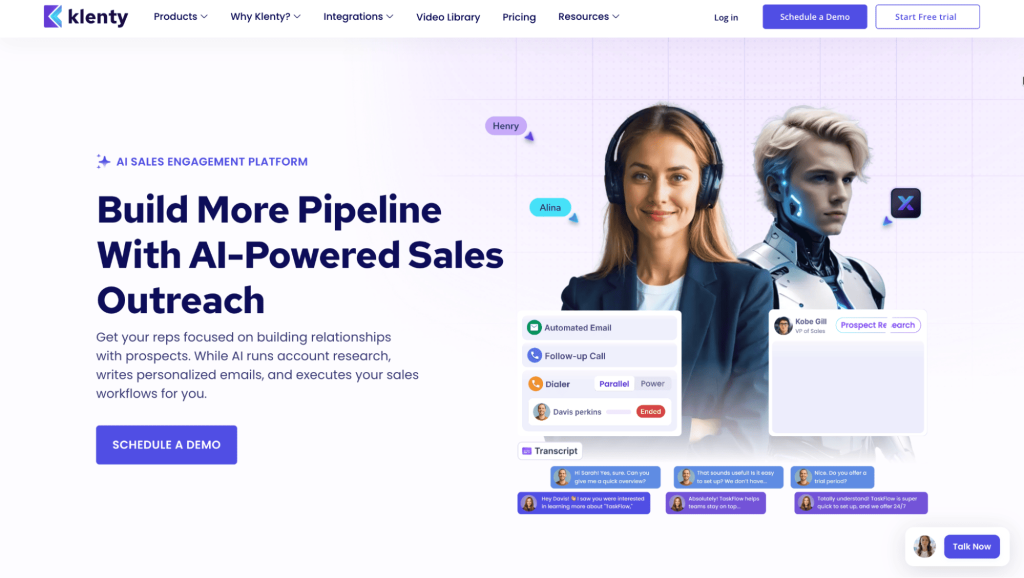
Best for: Outbound teams that are past the “basic sequencer” stage and want AI help with cadences, prioritization, and CRM-driven workflows.
Key features:
- Cadence Playbooks that shape sequences around engagement and funnel stage, rather than the same pattern for everyone
- AI Cadence Writer (Kai) to spin up emails, call scripts, and LinkedIn steps for different scenarios in minutes
- Multichannel sales outreach automation tools in one view: email, calls, and LinkedIn tasks all lined up for the rep each day
Limitations: The more advanced Playbooks can feel heavy if you’re a very small team. If your process is still pretty simple, you might not tap into everything Klenty can do.
2. Regie AI
Best for: Mid-market and enterprise teams that want to experiment with autonomous AI agents for prospecting and outbound at a bigger scale.
Key features:
- Auto-Pilot AI agents that decide who to contact, when, on which channel, and with what message, using your CRM and engagement data as the source of truth
- “Signal Selling” logic that reshapes entire touch patterns on the fly based on real-time buyer behavior instead of static rules
- Tight integrations with existing sales engagement platform setups (like Salesloft) and CRMs such as Salesforce
Limitations: It’s a mindset shift. Moving from rep-driven steps to agent-driven outreach usually means more upfront process design and change management than dropping in a standard cadence tool.
3. Amplemarket
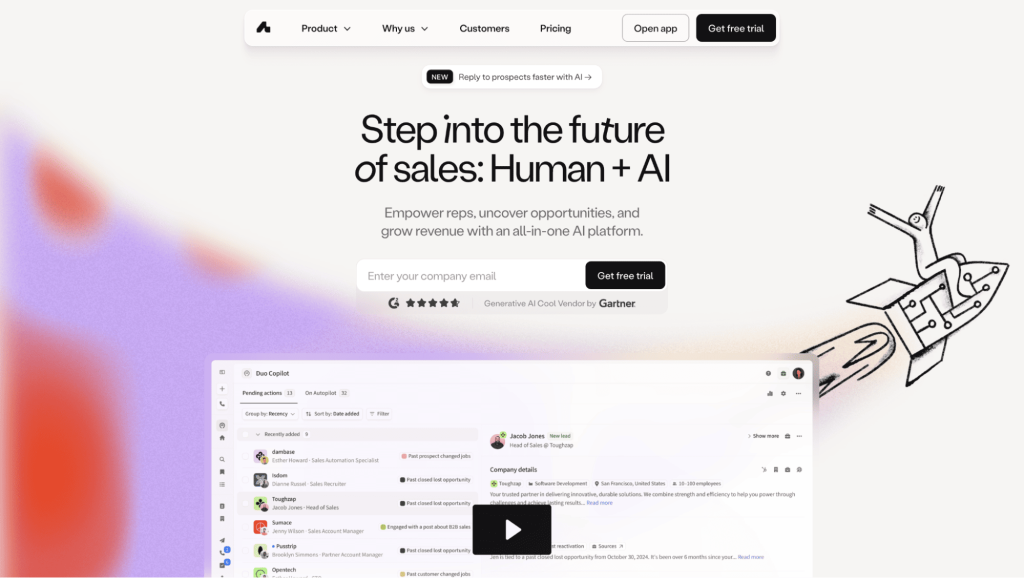
Best for: Teams that want their B2B data, enrichment, intent, and sales cadence software all living in one environment instead of five.
Key features:
- Large, constantly updated B2B database with deep enrichment on tech stack, funding, headcount, and more
- Multichannel workflows across email, phone (including parallel dialing), LinkedIn, and messaging apps like WhatsApp and iMessage
- AI-driven personalization and intent signals that help you decide who to go after next and when to trigger outreach
Limitations: Built with more mature outbound teams in mind. Very early-stage startups or low-volume teams may find the scope and pricing a bit heavy for where they are.
4. Outreach
Best for: Enterprise sales orgs that want a full-blown sales execution platform with governance, forecasting, coaching, and cadences under one roof.
Key features:
- AI-powered revenue workflow engine that connects sequences, tasks, and deal management across the entire sales cycle
- Kaia conversation intelligence for real-time call transcription, coaching prompts, and follow-up guidance
- Granular controls, permissions, and audit trails designed for large, complex, and compliance-focused environments
Limitations: Usually needs proper implementation, admin ownership, and budget. For small or early-stage teams, it can be more platform than they realistically need.
5. Salesloft
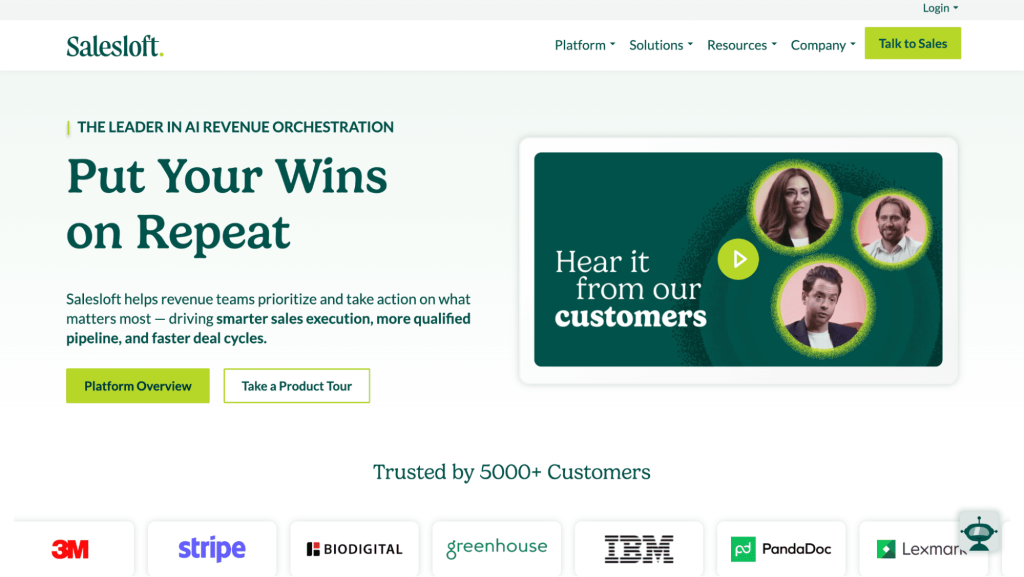
Best for: High-velocity B2B teams that want AI to tell reps what to do next, and want cadences tightly tied to pipeline and deals.
Key features:
- Rhythm — an AI engine that pulls together buyer signals and turns them into prioritized daily task queues
- Focus Zones and Conductor AI to highlight next-best actions, whether you’re building pipeline or pushing deals over the line
- Deep integration ecosystem (G2, Vidyard, and more) funneling buyer signals directly into plays and cadences
Limitations: Customization and reporting can get complex. Without some RevOps muscle, you may only scratch the surface of what’s possible.
6. LeadIQ
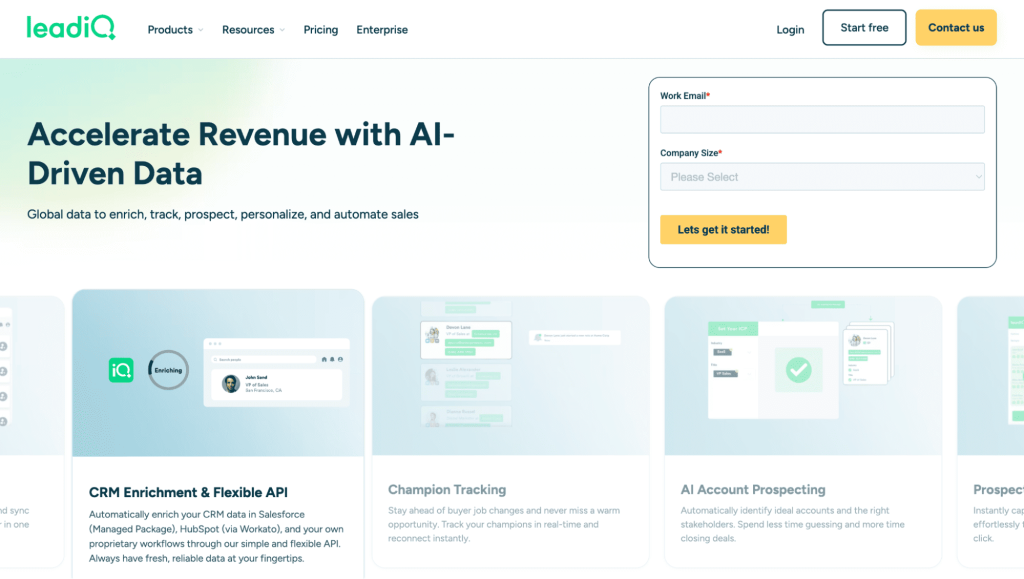
Best for: Outbound teams that basically live in LinkedIn and want to capture, enrich, and push contacts into cadences with as few clicks as possible.
Key features:
- Chrome-based capture from LinkedIn with verified contact data and enrichment sent straight into your CRM and sales cadence tools
- Scribe, an AI assistant that turns prospect data into personalized openers and emails in seconds
- Buying signal tracking (job changes, mentions, news) so reps know when an account is warming up
Limitations: LeadIQ is all about capture and personalization. You’ll still need dedicated sales cadence software or a sales engagement platform to actually run the sequences.
Also read: 30+ Best LinkedIn Outreach Tools for Your Success
7. Apollo.io
Best for: Founders and sales teams that want a single product combining a big B2B database, enrichment, intent, and built-in sequences.
Key features:
- Large B2B database (hundreds of millions of contacts) with verified info, enrichment, and lead scoring
- Integrated multichannel sequences (email and calls) with “Play” logic that reacts to intent triggers, hiring changes, and other events
- Buying Intent features to spot and prioritize companies actively researching relevant topics
Limitations: Deliverability needs attention. If you ramp volume fast on one domain without a plan, you can run into reputation limits earlier than you’d like.
8. Replyify
Best for: Smaller teams that mainly want clean, predictable cold email automation and follow-ups, without adopting a huge platform.
Key features:
- Simple drip-style cold email campaigns that keep following up until someone replies or converts
- Native support for common email providers and straightforward reporting on opens, clicks, and replies
- Basic A/B testing to try different subject lines and message variations
Limitations: Very email-centric and intentionally lightweight. If you’re after multi-channel sales engagement software or heavy AI features, this won’t cover it all.
9. Lemlist
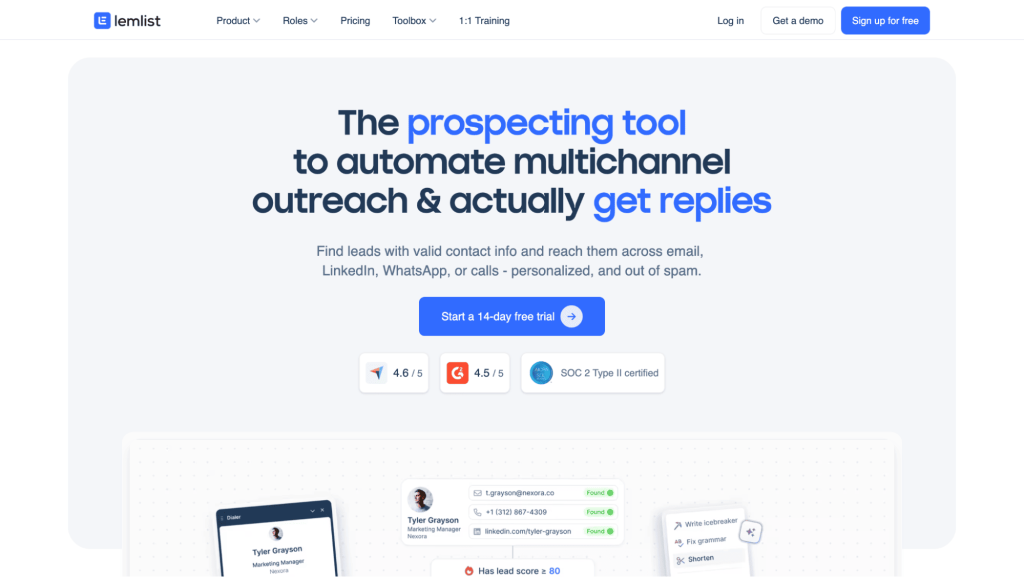
Best for: Sales teams and agencies that love creative, multichannel outreach and care a lot about sender reputation.
Key features:
- Strong multichannel sales cadence tools across email, LinkedIn, WhatsApp, and calls
- Advanced image and video personalization so you can drop custom visuals into emails and stand out in crowded inboxes
- Lemwarm, a warm-up tool that helps you grow and monitor sender reputation before you scale volume
Limitations: The personalization and template logic can feel like “too many knobs” if all you need is a simple sales cadence example or two to get started.
10. Smartlead
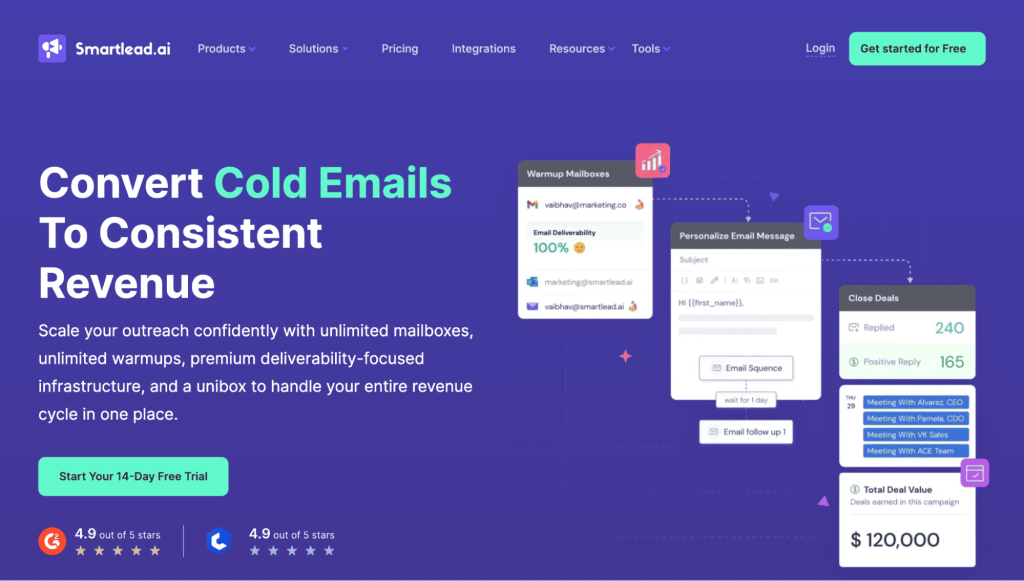
Best for: Lead gen agencies and heavy senders who need serious cold email infrastructure: lots of mailboxes, automated warmup, and one place to manage replies.
Key features:
- Unlimited mailbox model with AI-driven warmup to protect deliverability while you scale sending
- Master inbox / Unibox that pulls replies from many inboxes into one dashboard for the team
- Automatic sender rotation, dedicated IP options, and ESP-matching to squeeze better placement out of your campaigns
Limitations: Built first and foremost as infrastructure for email. If you want rich in-platform calling, LinkedIn, or deal views, you’ll still need other sales engagement platform components.
11. Woodpecker
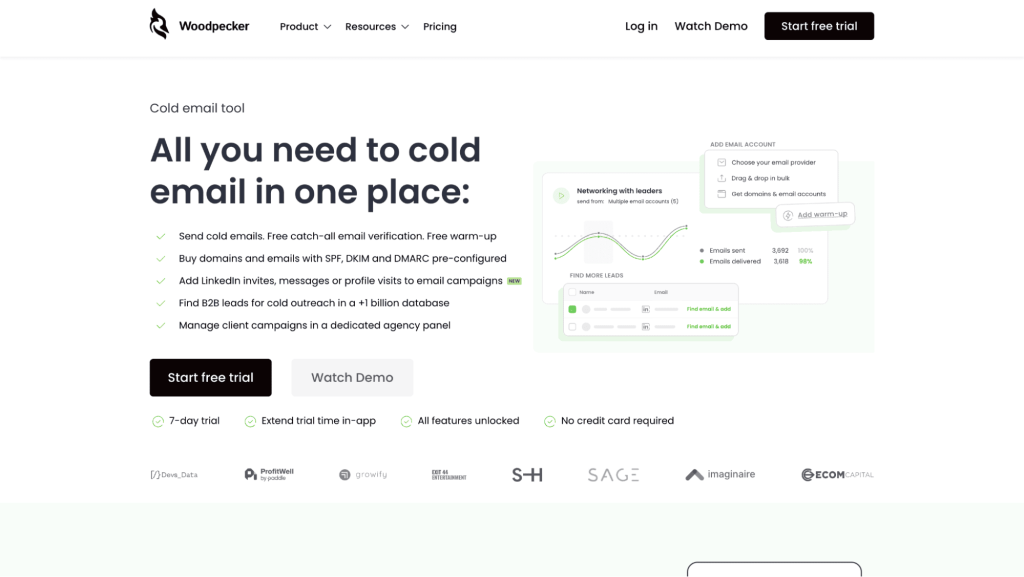
Best for: SMBs and agencies that place extra emphasis on avoiding spam folders and running simple but safe and controlled cold email programs, without any additional AI features.
Key features:
- Deliverability Monitor, adaptive sending, warmup, and free email verification to keep campaigns healthy
- Condition-based campaigns that change follow-ups based on opens, clicks, and replies
- Multi-account management that makes it easier for agencies to run multiple clients from one place
Limitations: Very email-heavy. If you’re looking for the best sales cadence software that does deep multichannel and AI in one package, this isn’t that kind of tool.
12. Close CRM
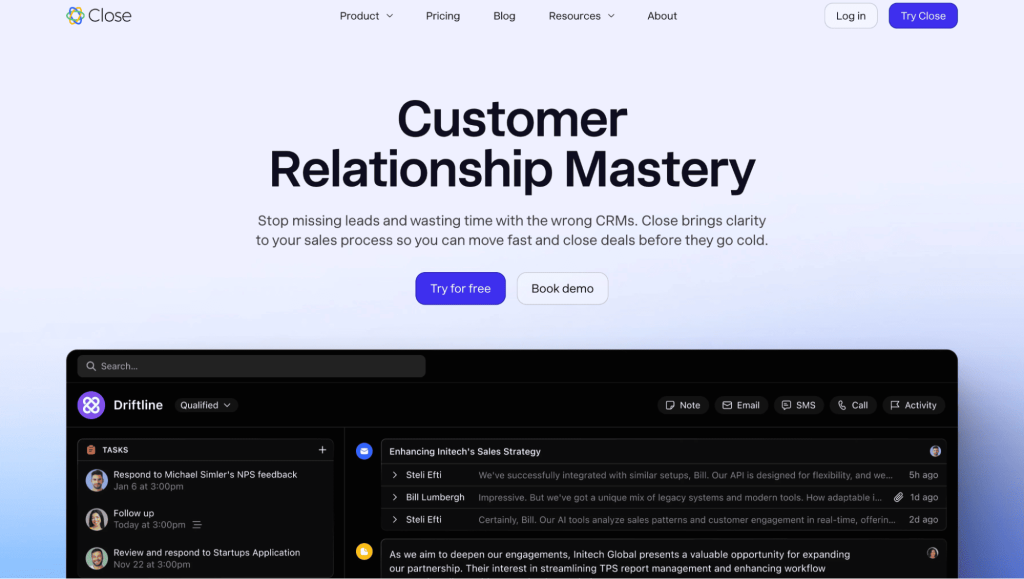
Best for: Startups and SMBs that want calling, emailing, SMS, and pipeline views in a single sales CRM rather than stitching several tools together.
Key features:
- Built-in Power Dialer and Predictive Dialer to speed up outbound calling straight from your lead lists
- Sequences that blend email and call tasks inside the same interface you use to manage deals and pipelines
- Automation workflows (“If/Then” rules) that update statuses, create tasks, or move deals forward without manual work
Limitations: Very focused on sales execution. If you’re expecting full-suite marketing automation or heavy web assets like in HubSpot, you’ll still need separate tools.
13. HubSpot Sequences (Sales Hub)
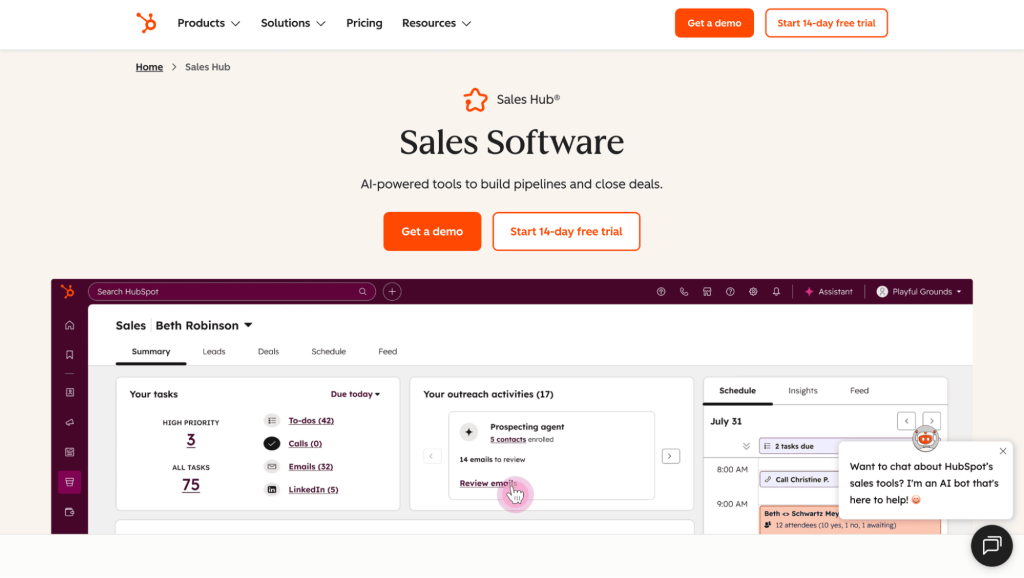
Best for: Teams already deep in HubSpot CRM and Marketing Hub that want built-in, lightweight sales cadence tools instead of adding yet another app.
Key features:
- Sequences for targeted, timed email series plus automatic follow-up tasks, all inside HubSpot CRM
- Dynamic logic that adapts to opens and clicks and surfaces manual tasks only for engaged contacts
- Central analytics on sends, opens, replies, and meetings booked, tied directly to contact and deal records
Limitations: Full Sequences functionality lives on the higher Sales/Service Hub tiers. If you’re on Starter, you’ll need to upgrade to get serious cadence capabilities.
Best practices for successful sales cadence implementation
Choosing the right tool is only half the job. The other half is how you design and run your cadences day to day. Here are some practical sales cadence best practices to keep your outreach sharp as you scale.
- Use structured multichannel sequencing
Treat email, calls, LinkedIn, and SMS as one connected journey, not four random things you throw at people. Use each channel for what it’s actually good at: email for context, calls for urgency, LinkedIn for visibility and social proof, SMS for quick nudges when it’s appropriate. And keep it breathable. You don’t need three different touches on the same prospect in one day unless there’s a really strong reason.
- Apply AI-powered personalization with guardrails
Let AI do the heavy lifting on research, icebreakers, and first drafts, especially for repeatable scenarios. But put clear rules in place for your top-tier segments and keep a tight messaging framework. That way, your AI-powered sales cadence stays fast and scalable without drifting off-brand, off-message, or into compliance trouble.
- Automate behavior-based follow-ups
Build your cadences so the next step depends on what the prospect actually does: opens, clicks, replies, books a meeting, or goes quiet. People who lean in should see faster, richer touch patterns. Those who don’t engage should slide into a lighter nurture track instead of getting hammered with the same volume as your hottest accounts.
- Prioritize outreach with scoring and intent
Don’t treat every lead the same. Combine ICP fit with activity and intent data—things like content engagement, tech stack, hiring trends, and site visits. Run deeper, more intensive cadences for high-scoring accounts, while pushing low-intent or low-fit leads into softer touches or longer-term nurture.
- Keep cadence and deal data in your CRM
Every call, email, task, and outcome should land in your CRM, no exceptions. That’s how SDR, AE, and CS handoffs stay clean, and how you get a real view of pipeline, conversion, and which cadences are actually working. If it’s not in the CRM, it basically didn’t happen.
- Refine cadences using analytics, not opinion
Watch reply and meeting rates by step, persona, and channel. Test subject lines, hooks, value props, and timing. Cut steps that never perform; double down on those that reliably create conversations. Over time, this is how your sales cadence examples evolve from “guesswork” to “proven playbooks.”
- Use realistic cadence length and spacing
For most outbound plays, 6–12 touches over 10–20 days is a reasonable starting point. Shorter, tighter cadences fit inbound or warm leads. Colder, high-value accounts usually require longer, more spaced touch patterns.
- Protect deliverability from day one
Warm new domains and inboxes, monitor reputation, and keep bounces low with verification. Your sales outreach automation tools are only useful if emails actually land where they’re supposed to.
Well-implemented cadences usually pair these best practices with an AI-first sales engagement platform. For example, Jason AI can apply many of these principles automatically — prioritizing accounts, building multichannel cadences, drafting tailored messages, and reacting to replies, while syncing everything back into your CRM.



![The Ultimate Email Deliverability Toolset for 2026 [15+ Tools]](https://test.reply.io/wp-content/uploads/deliverability-300x158.jpg "The Ultimate Email Deliverability Toolset for 2026 [15+ Tools]")